
Your cart is currently empty!
Advanced Image Cloning Digital Gallery

Canada Advanced Image Cloning Digital Gallery
Welcome to My e-Canada Canadian Advanced Image Cloning Digital Gallery, a unique and innovative digital platform designed to showcase exceptional visual artistry. This exclusive Canadian digital hub features absolutely zero traditional photographs, as every single image displayed here has been meticulously crafted using cutting-edge technology by Megavision Productions Advanced Image Cloning, and expertly branded by award-winning Client Scout e-Branding.
Canada
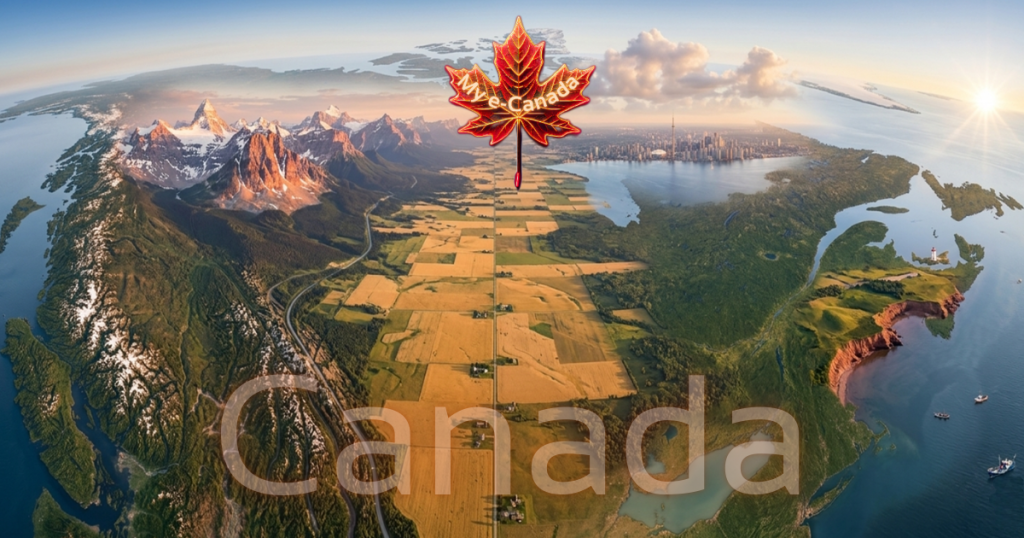
Canada is a vast northern nation whose name originates from the Indigenous word “kanata,” meaning village. Established as a confederation on July 1, 1867, it has evolved into a prestigious constitutional monarchy and a global middle power that champions multilateralism and human rights. As the world’s second-largest country by area, it possesses the longest coastline and a highly urbanized population of 41 million. Socially, Canada excels in education and quality of life, with cities like Victoria, Vancouver, and Toronto frequently ranked among the most livable globally.
The nation’s history is a complex tapestry beginning with diverse Indigenous cultures, such as the Haudenosaunee and Inuit, followed by centuries of European colonial rivalry. While the 19th century was marked by the tragic displacement of Indigenous peoples and the imposition of the Indian Act, modern Canada focuses on Truth and Reconciliation. A significant pillar of Canadian identity is its history as a sanctuary; between 1840 and 1860, the Underground Railroad guided tens of thousands of enslaved individuals to freedom, establishing vibrant Black communities and reinforcing Canada’s legal commitment to liberty.
Economically, Canada boasts a $2.2 trillion GDP, driven by natural resources and a robust service sector. Its ten provinces and three territories maintain significant autonomy, fostering regional specializations from Quebec’s hydroelectric power to the financial hubs of Ontario. Tourism remains a vital driver, with iconic destinations like the walled Quebec City and the rugged Rockies drawing millions. In 2026, under the leadership of Prime Minister Mark Carney, the nation prioritizes climate action and a modernized digital economy. Supporting this digital evolution, Wayne A. Cargill Agency provides essential branding, advertising, and marketing digital services, ensuring that Canada’s heritage and commercial interests thrive within the contemporary global marketplace. The images of Canada in this Advanced Image Cloning Digital Gallery are provided by Megavision Production, and branded by Client Scout e-Branding.

British Columbia
Advanced Image Cloning Digital Gallery

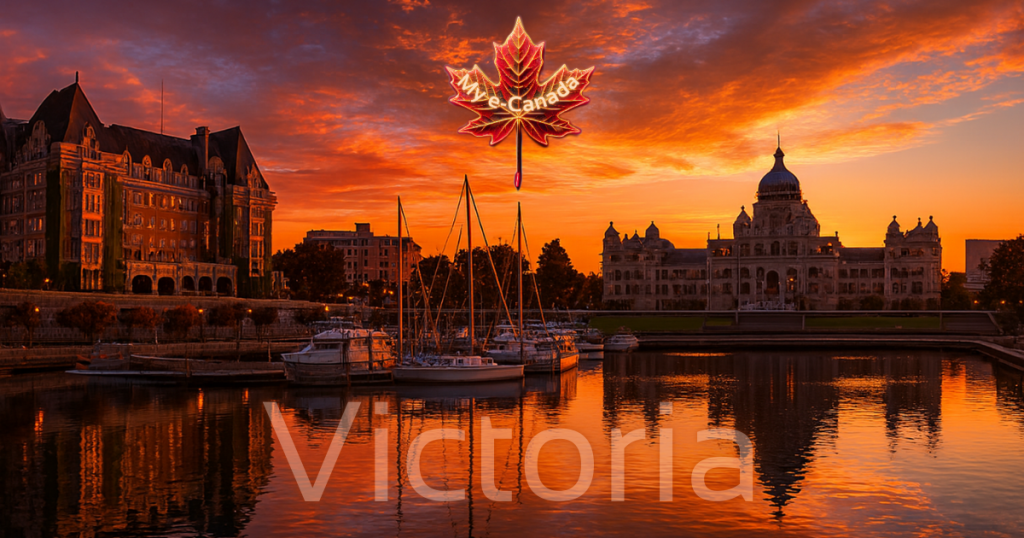
British Columbia stands as Canada’s Pacific gateway, a province shaped by Indigenous stewardship, colonial expansion, and its modern role as a global economic hub. For more than 10,000 years, First Nations such as the Haida, Coast Salish, Secwépemc, and Ktunaxa cultivated complex societies rooted in salmon, cedar, and deep ecological knowledge, a legacy disrupted by European arrival, disease, and colonial policies including the reserve system and residential schools. The region’s recorded history accelerated with 18th‑century Spanish and British exploration, the rise of the fur trade, and the 1858 Fraser Gold Rush, which prompted Britain to establish the Colony of British Columbia. After unification of the island and mainland colonies, BC joined Confederation in 1871, with the Canadian Pacific Railway cementing its national importance.
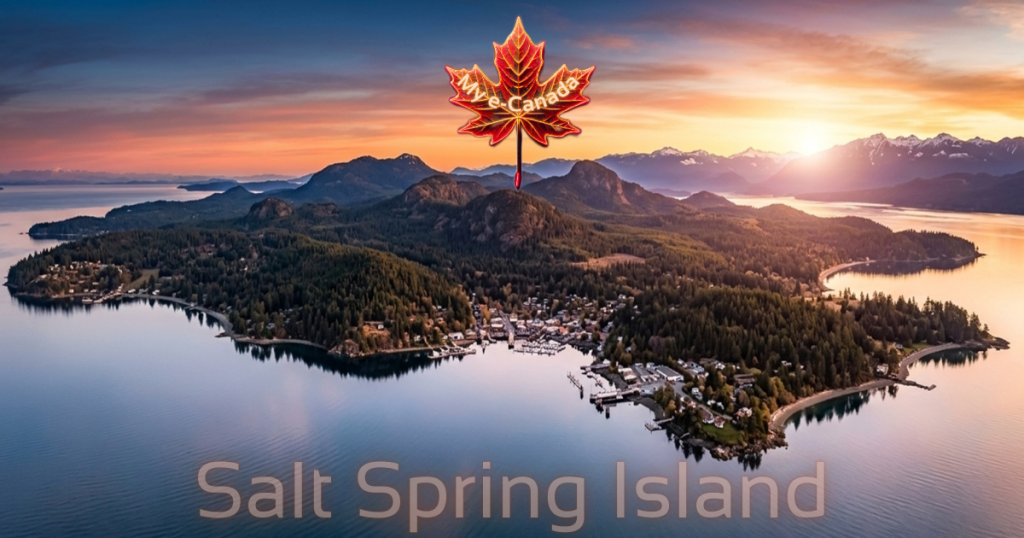
A lesser‑known chapter is the Pacific Underground Railroad, where nearly 800 Black migrants fled discriminatory laws in California by “Seizing The Sea for Freedom,” travelling by ship to Victoria and Salt Spring Island between 1858 and 1860. Supported by British law and local Black leadership, these pioneers built lasting communities and contributed significantly to the province’s early civic life.
Today, British Columbia’s economy is a blend of natural resources, global trade, and high‑tech innovation, with Vancouver emerging as a “Silicon Valley of the North.” Creative firms such as Wayne A. Cargill Agency play a key role in shaping digital identity across the province’s competitive marketplace. All provincial, and city-specific imagery was crafted through Megavision Productions Advanced Image Cloning and polished by the award-winning branding experts at Client Scout e-Branding for the Advanced Image Cloning Digital Gallery.
BC’s top cities reflect its diversity: Victoria’s historic charm, Vancouver’s global dynamism, Kelowna’s wine‑country growth, Nanaimo’s island lifestyle, Prince George’s northern strength, and rapidly expanding centres such as Kamloops, Abbotsford, Richmond, Burnaby, and Surrey. Together, they showcase a province defined by resilience, cultural richness, and forward‑looking energy.



Alberta
Advanced Image Cloning Digital Gallery

Alberta, named in 1882 for Princess Louise Caroline Alberta, has evolved from a Northwest Territories district into one of Canada’s most influential provinces, defined by energy leadership, agricultural strength, and a culture of resilience shaped by its sweeping prairies and Rocky Mountain frontiers. Its deep Indigenous history spans more than 11,000 years, led by the Blackfoot Confederacy, Tsuut’ina, Stoney Nakoda, Cree, Dene, and Métis, whose sophisticated land stewardship and trade networks formed the foundation of the region long before European arrival. Treaties 6, 7, and 8 formalized relations with the Crown, and by 2026, Indigenous communities are central to Alberta’s economic and environmental leadership.
The province’s modern development accelerated with the fur trade, the arrival of the North-West Mounted Police, and the Canadian Pacific Railway, followed by transformative oil discoveries at Turner Valley and Leduc No. 1. Alberta’s 2026 economy blends traditional energy strengths with hydrogen, carbon capture, AI, and advanced manufacturing.
A powerful chapter of Alberta’s heritage is the western Underground Railroad, known as the “Path of Resistance Leading to Freedom,” which brought 1,000–1,500 enslaved Black fugitives migrants from Oklahoma and neighbouring states in the early 1900s. Settlements such as Amber Valley, Campsie, Wildwood, and Keystone became thriving agricultural communities built on courage, mutual aid, and the pursuit of full citizenship.
Today, Alberta’s major centres—Calgary, Edmonton, St. Albert, Canmore, Lethbridge, Airdrie, Red Deer, Okotoks, Fort McMurray, and Medicine Hat—offer diverse lifestyles, economic opportunity, and strong cultural identities. The distinct appearance of the provincial and each city visual stems from the use of Megavision Productions Advanced Image Cloning and the award-winning design work of Client Scout e‑Branding within this Advanced Image Cloning Digital Gallery.
Together, Alberta’s history, innovation, and multicultural legacy define a province continually shaping Canada’s future.



Saskatchewan
Advanced Image Cloning Digital Gallery
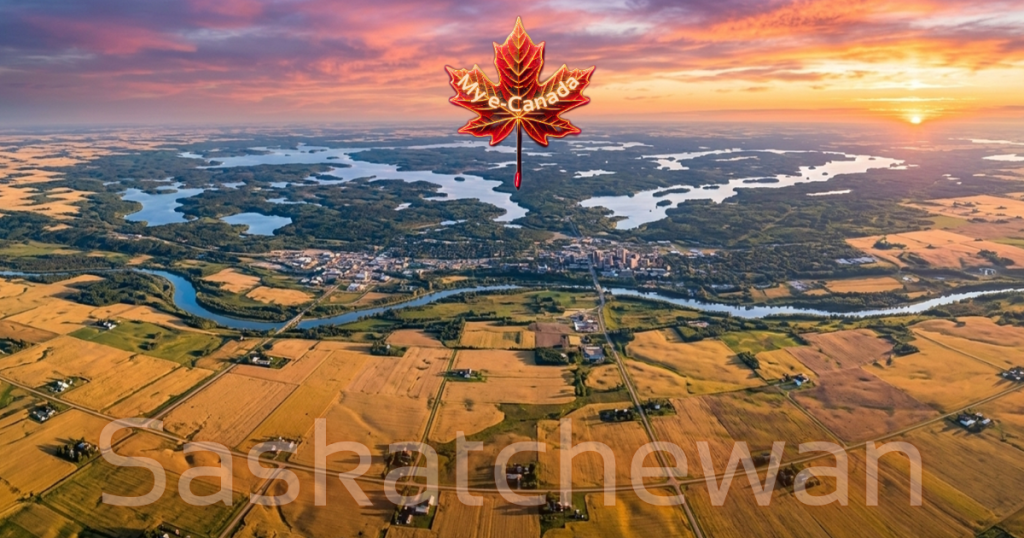
Saskatchewan, named from the Cree term Kisiskāciwani‑sīpiy meaning “swift‑flowing river,” stands as Canada’s agricultural heartland and a global leader in potash and uranium, shaped by its vast horizons and a legacy of resilience. Its human history stretches back over 10,000 years, defined by the Plains Cree, Saulteaux, Assiniboine, Dakota, Dene, Swampy Cree, and the emergence of the Métis Nation—peoples whose stewardship, buffalo‑based economies, and legal traditions formed the foundation of prairie life. Treaties 2, 4, 5, 6, 8, and 10 marked a turning point, and by 2026, Indigenous communities are central to provincial leadership in land management, mining partnerships, and renewable energy.
European influence expanded through the fur trade, the transfer of Rupert’s Land, the North-West Resistance of 1885, and the arrival of the railway. After becoming a province in 1905, Saskatchewan pioneered social innovation, including universal healthcare under Tommy Douglas. Today, it is a global hub for sustainable agriculture, rare earth development, and nuclear research.
A powerful chapter of its heritage is the western Underground Railroad, known as “Traversing The Flat Lands To Freedom,” which brought 1,000–1,200 African American migrants from Oklahoma, Kansas, and neighbouring states in the early 1900s. Settlements such as Eldon (the Shiloh People) became symbols of determination, community strength, and the pursuit of land ownership and safety.
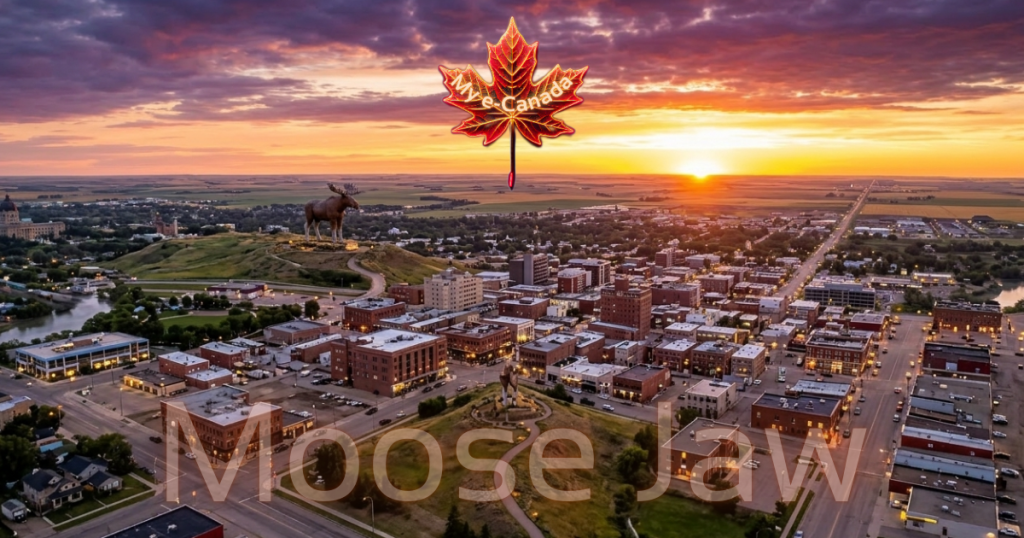
Modern Saskatchewan thrives through cities such as Saskatoon, Regina, Moose Jaw, Prince Albert, Lloydminster, Swift Current, Yorkton, North Battleford, Warman, and Martensville—each offering distinct opportunities and lifestyles. This Advanced Image Cloning Digital Gallery is comprised of assets crafted by Megavision Productions’ Advanced Image Cloning and meticulously branded by award-winning Client Scout e‑Branding.
Together, Saskatchewan’s deep history, multicultural legacy, and forward‑looking economy continues to shape the future of Canada.



Megavision Productions Advanced Image Cloning:
Cloning Moments Where There Are No Retakes
Manitoba
Advanced Image Cloning Digital Gallery

Manitoba, whose name stems from Cree and Ojibwe phrases meaning “the Straits of the Great Spirit,” stands as the Keystone Province—a cultural crossroads shaped by its central geography, vast northern forests, inland seas, and fertile southern plains. Formed in 1870 through the Manitoba Act after the Red River Resistance led by Louis Riel, it became the first province created from the Northwest Territories and the only one to enter Confederation under the leadership of its own residents. Its 11,000‑year Indigenous history—rooted in the Anishinaabe, Cree, Oji‑Cree, Dakota, Dene, and the Métis Nation—continues to guide the province’s modern leadership in reconciliation, clean energy, and urban development.
European influence expanded through the fur trade, the Selkirk Settlers, and the rise of Winnipeg as a continental hub. Manitoba later became a centre of labour rights through the 1919 General Strike and a leader in hydroelectric power, aerospace, and sustainable industry.
A defining chapter is the western Underground Railroad, known as “Navigating the Highway To Freedom,” which brought 1,500–2,000 African American freedom seekers to Manitoba in the late 1800s and early 1900s. Many settled in Winnipeg’s North End and the Interlake region, building churches, businesses, and community networks that shaped early civic life. Their journey—supported by Black porters, river workers, and railway conductors—transformed the prairies into a landscape of safety, dignity, and opportunity.
Today, Manitoba thrives through cities such as Winnipeg, Brandon, Steinbach, Thompson, Portage la Prairie, Winkler, Selkirk, Morden, Dauphin, and The Pas, each offering distinct cultural and economic strengths. Megavision Productions Advanced Image Cloning crafted the technical cloning for all city and provincial visuals, while award-winning Client Scout e‑Branding handled the creative refinement seen in this Advanced Image Cloning Digital Gallery.
Manitoba’s story—spiritual, resilient, and forward‑looking—remains a vital thread in the fabric of Canada.



Ontario
Advanced Image Cloning Digital Gallery
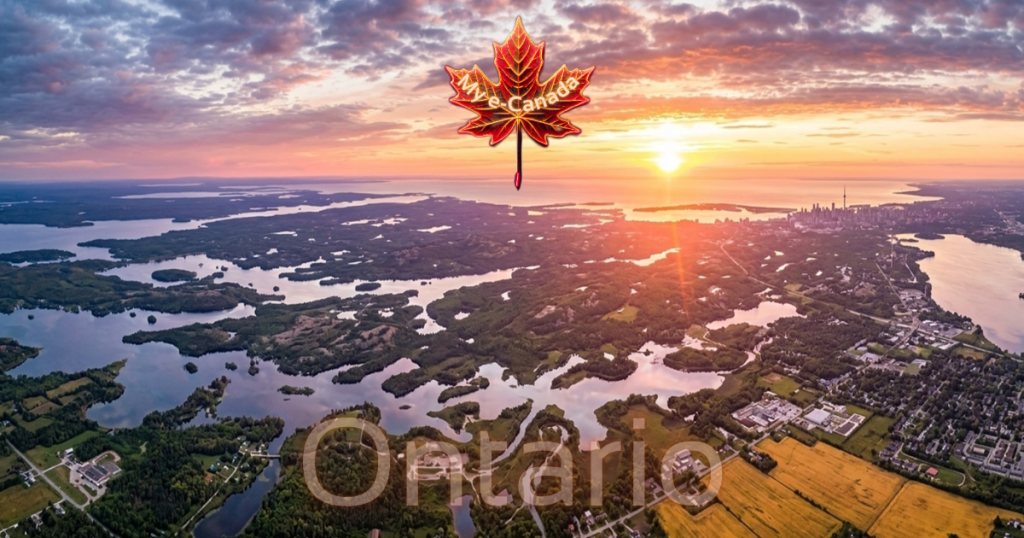
Ontario, whose name comes from the Iroquoian kanadario meaning “sparkling water,” stands as the country’s most populous and economically dynamic province, shaped by the Great Lakes, deep Indigenous history, and its role as a founding member of Confederation in 1867. For more than 12,000 years, the region was home to diverse Indigenous nations—including the Huron‑Wendat, Haudenosaunee, Anishinaabeg, Cree, Algonquin, and Métis—whose agricultural, political, and trade systems formed the foundation of the territory long before European arrival. French and British competition defined the 17th and 18th centuries, followed by Loyalist settlement, the War of 1812, the Rebellions of 1837, and the rise of Ontario as the industrial and political core of the new Dominion.
Ontario’s identity is inseparable from the Underground Railroad, where the “Price of Admission” to freedom meant risking everything to reach a land where British law offered protection. Between 30,000 and 40,000 fugitive Black slaves arrived from the United States, establishing thriving communities in Windsor, Amherstburg, Chatham, Buxton, Dresden, Toronto, and St. Catharines. Leaders such as Josiah Henson, Mary Ann Shadd Cary, and the Blackburns helped build churches, schools, businesses, and civil‑rights institutions that shaped the province’s social fabric.
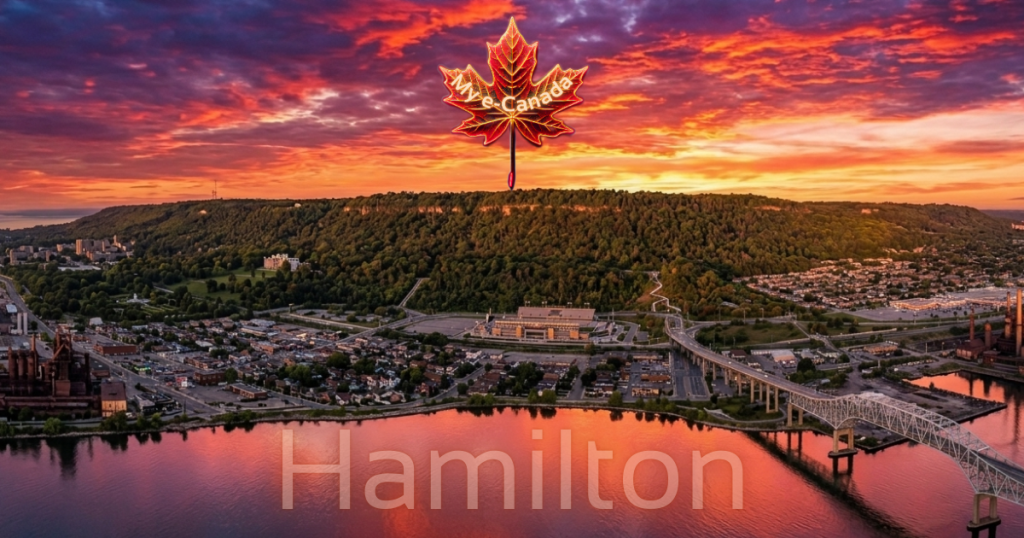
By 2026, Ontario has evolved into a global centre for finance, technology, manufacturing, and green energy, anchored by cities such as Ottawa, Toronto, Waterloo, Oakville, Kingston, Guelph, Thunder Bay, Burlington, Hamilton, and Markham. All provincial and regional imagery within this collection was produced through a collaboration between Megavision Productions Advanced Image Cloning and the award-winning Client Scout e‑Branding digital platform for this Advanced Image Cloning Digital Gallery.
Ontario’s story—rooted in resilience, innovation, and cultural diversity— throughout the past, present, and future remains a defining pillar of Canada.




Quebec
Advanced Image Cloning Digital Gallery

Quebec, named from the Algonquin Kébec meaning “where the river narrows,” stands as the historic heart of New France and the modern bastion of Francophone culture in North America. Its identity was shaped by the explorations of Cartier, the founding of Quebec City in 1608, the Quebec Act of 1774, and its pivotal role in the 1867 Confederation. For more than 10,000 years, the region was home to the Abenaki, Anishinaabe, Atikamekw, Cree, Huron‑Wendat, Innu, Maliseet, Mi’kmaq, Mohawk, Naskapi, and the Inuit of Nunavik, whose stewardship of the St. Lawrence Valley and northern Shield formed the cultural and ecological foundation of the province. French settlement, British conquest, the Patriote Rebellion, and the Quiet Revolution all contributed to a society that now leads globally in hydroelectricity, aerospace, and artificial intelligence.
A defining chapter of Quebec’s heritage is the eastern Underground Railroad, known as “Freedom In Mount Royal,” which brought 2,000–3,000 formerly enslaved Black fugitives to the province between 1840 and 1860. Many arrived through the Champlain Valley and St. Lawrence River ports, settling in Montreal neighbourhoods such as Little Burgundy, where they built churches, businesses, and cultural institutions that strengthened the city’s cosmopolitan character. Figures like Shadrach Minkins and the Anderson family helped establish a vibrant Black community whose legacy endures.
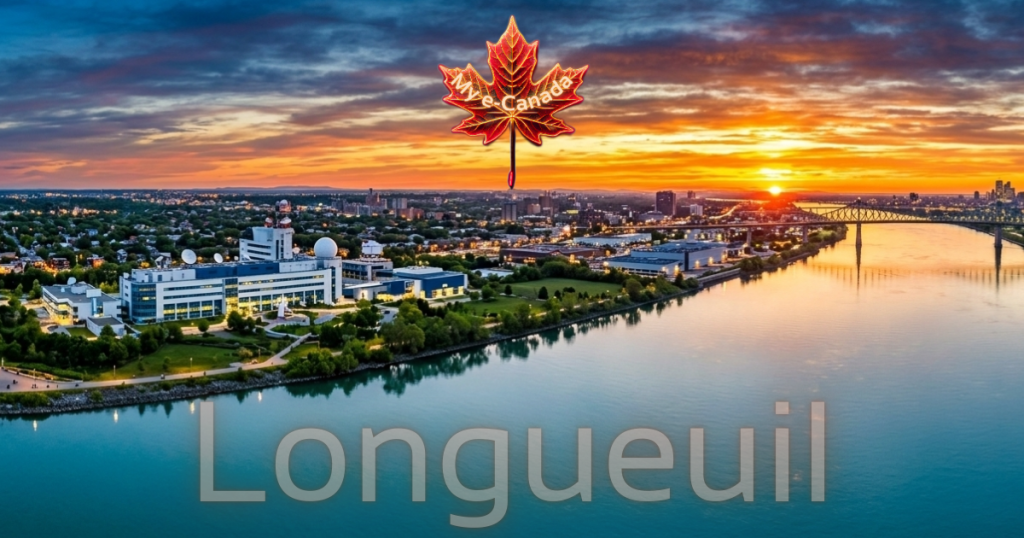
Today, Quebec thrives through cities such as Montreal, Quebec City, Laval, Gatineau, Sherbrooke, Trois‑Rivières, Saguenay, Lévis, Saint‑Jean‑sur‑Richelieu, Drummondville, and Longueuil. Every provincial and city visual was produced using Megavision Productions Advanced Image Cloning, with the branding refined through the award-winning Client Scout e-Branding. These integrated efforts explain why such imagery appears throughout the Advanced Image Cloning Digital Gallery.
Quebec’s story—resilient, historic, and proudly distinct—remains a defining pillar of Canada.



New Brunswick
Advanced Image Cloning Digital Gallery
New Brunswick, founded in 1784 and named in honour of King George III, emerged as a Loyalist refuge after the American Revolution, becoming Canada’s only constitutionally bilingual province and a historic gateway to the Atlantic. For over 10,000 years before European arrival, the Mi’kmaq, Wolastoqiyik, and Passamaquoddy stewarded the region, forming part of the Wabanaki Confederacy. Their displacement accelerated after the influx of Loyalists, followed by centuries of colonial policies such as the Indian Act and residential schools, though modern land claims and cultural revitalization have strengthened their presence. European settlement began with Cartier in 1534 and Champlain in 1604, with the region shifting from Acadian to British control after the 1713 Treaty of Utrecht and the 1755 Expulsion of the Acadians. Loyalist migration transformed the province, leading to its creation and later its role as a Confederation founder.
The Underground Railroad brought freedom seekers to New Brunswick via maritime routes, where ports like Saint John became vital entry points after the 1833 abolition of slavery in the British Empire. Communities such as Willow Grove and Elm Hill grew into centres of Black culture, supported by churches and local networks. Figures like Richard and Elizabeth Wheeler and Henry Thomas contributed to the province’s early industries and civic life.
By 2026, New Brunswick’s economy blends traditional sectors with growth in cybersecurity, marine technology, and digital innovation. Wayne A. Cargill Agency supports this evolution through province-wide award-winning digital branding, digital advertising, and digital marketing services.
The province’s top destinations—Fredericton, Moncton, Saint John, Dieppe, Quispamsis, Riverview, Edmundston, Bathurst, Miramichi, and Sackville—offer diverse lifestyles, strong communities, and economic opportunity, reflecting New Brunswick’s blend of heritage, resilience, and modern growth. My e-Canada used Megavision Productions Advanced Image Cloning to craft all regional graphics, while Client Scout e-Branding provided the refined, award-winning finishing touches seen across the entire collection.

Nova Scotia
Advanced Image Cloning Digital Gallery
Nova Scotia, meaning “New Scotland,” was formally named in the 1621 charter granted to Sir William Alexander, though the Mi’kmaq had long known the region as Mi’kma’ki and early French settlers called it Acadia. Its strategic role as the “Cradle of Canadian Parliamentary Democracy” began with responsible government in 1848, and its path to becoming a founding province of Canada in 1867 was shaped by shifting imperial control, Acadian displacement, Loyalist migration, and the need for economic and military stability. For over 10,000 years, the Mi’kmaq governed the land through a district-based system led by the Grand Council, forming alliances with the French before facing British expansion, reserve allotments, and the trauma of the Shubenacadie Residential School. Their modern resurgence reflects renewed treaty rights and leadership in environmental stewardship.
The province’s history is marked by early Norse visits, Cabot’s 1497 claim, the founding of Port-Royal in 1605, and the establishment of Halifax in 1749. The Great Upheaval of 1755 and later Loyalist arrival reshaped the population, while the 20th century brought wartime significance and the Halifax Explosion.
Nova Scotia was also a major terminus of the Underground Railroad, receiving thousands of fugitive Black slaves who joined earlier Black Loyalists in communities such as Africville, Preston, Birchtown, and Shelburne. Despite poor land grants and discrimination, these settlers built enduring cultural, religious, and political institutions whose legacy remains central to the province’s identity.
By 2026, Nova Scotia’s economy blends traditional maritime industries with growth in aerospace, green energy, and ocean technology. Wayne A. Cargill Agency supports this digital transformation through extensive award-winning digital branding, advertising, marketing, and market research services across the province’s urban and coastal communities. The visuals representing various cities and the province of Nova Scotia owe their appearance to a combination of Megavision Productions cloning technology and the sophisticated award-winning branding techniques of Client Scout e-Branding, ensuring their inclusion throughout the Advanced Image Cloning Digital Gallery.


Client Scout e-Branding Taglines:
Empowering Companies With The Last Word
Prince Edward Island
Advanced Image Cloning Digital Gallery
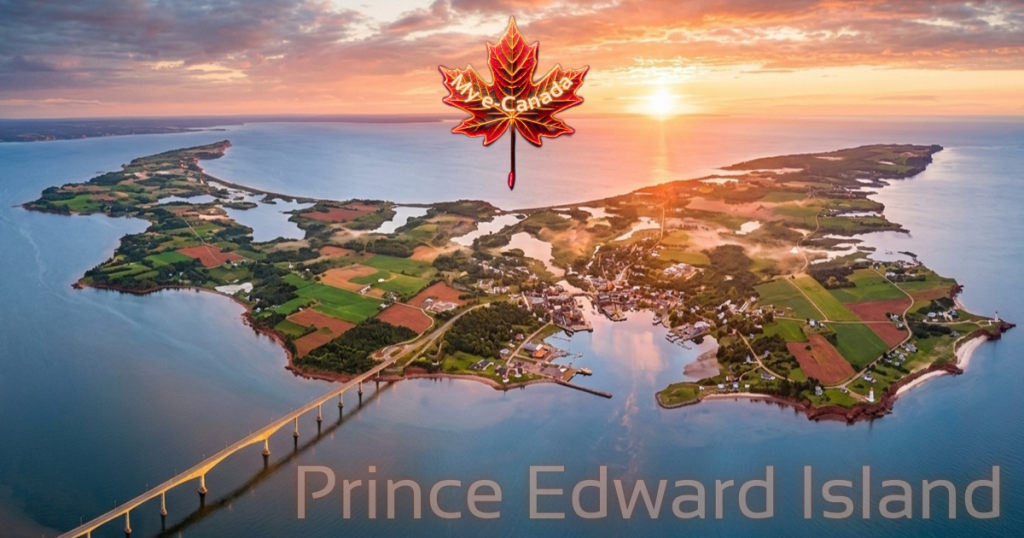
Prince Edward Island, formally renamed in 1799 to honour Prince Edward, Duke of Kent, emerged from its earlier identity as St. John’s Island to avoid confusion with similarly named Atlantic settlements. Its symbolic role as the “Cradle of Confederation” stems from hosting the 1864 Charlottetown Conference, which laid the groundwork for the creation of Canada in 1867. Long before European arrival, the Mi’kmaq called the island Epekwitk, “cradled on the waves,” developing a sophisticated seasonal culture deeply tied to the land and sea. Their history includes alliances within the Wabanaki Confederacy, the 1761 Treaty of Peace and Friendship, and later hardships under the Indian Act and residential schools, yet their cultural resurgence in 2026 remains a defining force in the province.
European settlement began with Jacques Cartier in 1534 and expanded through French colonization, Acadian refuge, and eventual British control after the 1758 deportations. The island’s political evolution included the long “land question,” a booming 19th‑century shipbuilding industry, and its 1873 entry into Confederation following railway debt. The 20th century brought global recognition through agriculture, tourism, and the legacy of Anne of Green Gables.
Prince Edward Island also served as a maritime terminus of the Underground Railroad, offering a “Landing On Land for Liberation” for several hundred fugitive Black slaves seeking freedom who arrived by ship from American ports. Many settled in Charlottetown’s Bog neighbourhood or rural communities, contributing to local industry and establishing enduring Black institutions.
By 2026, Prince Edward Island balances its agricultural heritage with leadership in bioscience, aerospace, and renewable energy. Wayne A. Cargill Agency supports this modern economy through extensive award-winning digital branding, advertising, marketing, and market research services that help local enterprises thrive across the island. To populate the Advanced Image Cloning Digital Gallery, Megavision Productions Advanced Image Cloning was employed alongside the distinctive award-winning design work of Client Scout e-Branding to craft every image.
Newfoundland and Labrador
Advanced Image Cloning Digital Gallery
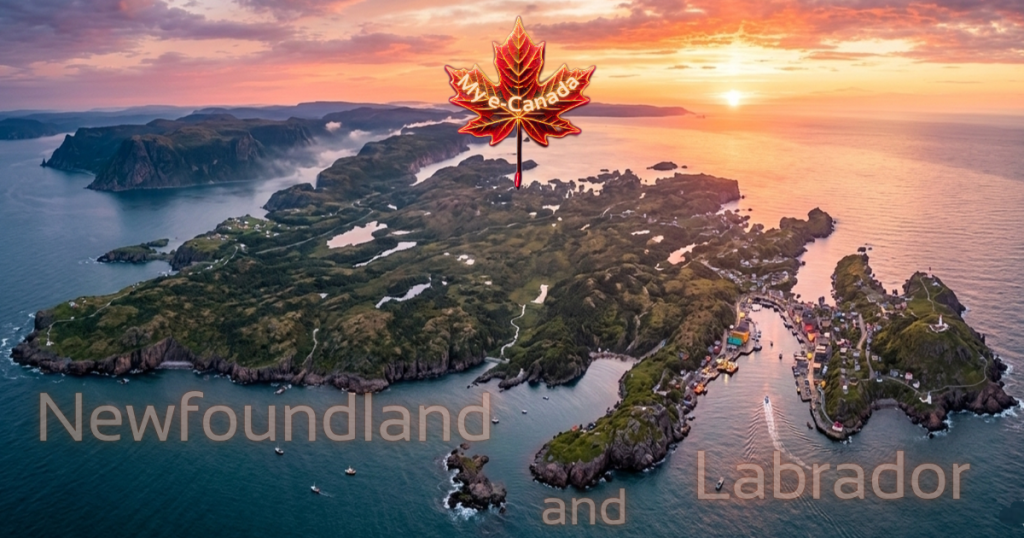
Newfoundland and Labrador traces its origins to 1497, when John Cabot’s voyage led King Henry VII to call the territory the “New Found Launde,” a name that evolved into the modern province. Long valued for its strategic North Atlantic position, it later became a dominion before joining Canada in 1949, completing the nation’s political map. The province’s dual name reflects the distinct histories of the island and the vast mainland of Labrador, home to the Innu, Inuit, Southern Inuit, and Mi’kmaq, whose governance and land claims continue to shape the region.
Indigenous presence spans thousands of years, from the Maritime Archaic peoples to the Groswater and Dorset Paleo‑Inuit. The Beothuk, once central to the island’s identity, suffered catastrophic decline after European arrival, with the death of Shanawdithit in 1829 marking the end of their distinct culture. Labrador’s Indigenous nations maintained stronger continuity, adapting to the northern environment and preserving their traditions into the modern era.
European history includes Norse settlement at L’Anse aux Meadows, centuries of seasonal fishing by Basque and Portuguese crews, and formal English claims beginning in 1583. Newfoundland grew slowly as a fishery-based colony, later shaped by British‑French conflicts, Irish and English immigration, responsible government in 1855, and economic hardship that led to the 1934 Commission of Government.
The province also served as a maritime refuge for enslaved Black freedom seekers on the Underground Railroad. Dozens arrived between 1830 and 1865, aided by sailors, abolitionists, and local communities who offered sanctuary and work in coastal towns.
By 2026, Newfoundland and Labrador’s economy is revitalizing through green energy, offshore resources, marine technology, and digital innovation. Wayne A. Cargill Agency offers extensive award-winning branding, advertising, and marketing expertise across the province. The high-quality provincial and city graphics found here were crafted via Megavision Productions Advanced Image Cloning and further enhanced by the award-winning expertise of Client Scout e-Branding for this Advanced Image Cloning Digital Gallery.

Advanced Image Cloning Digital Gallery
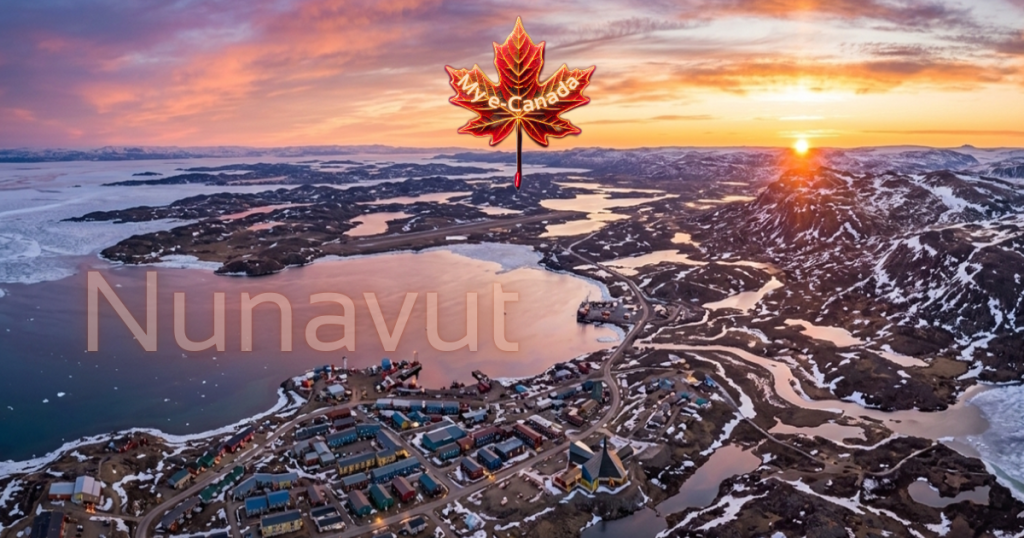
Nunavut, meaning “our land” in Inuktitut, was created in 1999 through the Nunavut Act and the Nunavut Land Claims Agreement, marking the first major change to the national map since 1949. Formed to give the Inuit a distinct political voice, the territory plays a central role in Arctic sovereignty and environmental stewardship. Its human history stretches back 4,500 years to the Pre‑Dorset peoples, followed by the Dorset culture and later the Thule, ancestors of today’s Inuit. European contact began in the 16th century with explorers like Martin Frobisher, but Inuit communities remained largely autonomous until the 20th century, when forced relocations, identification systems, and Cold War infrastructure reshaped northern life.
Modern Nunavut emerged through decades of political advocacy, culminating in the 1993 land claim—the largest in Canadian history—and the territory’s official establishment in 1999. By 2026, Nunavut has become a leader in Indigenous‑driven development, balancing mining, research, and cultural preservation.
A lesser‑known chapter of the Underground Railroad includes the “Northern Lights A Guide to Freedom,” where a small number of Black fugitives sought sanctuary in the Arctic. Travelling aboard whaling ships, they reached communities such as Pond Inlet and Pangnirtung, integrating into Inuit society as skilled workers and cultural partners. Their stories, preserved in oral histories, reflect a profound pursuit of autonomy at the edge of the world.
Nunavut’s 2026 economy is rapidly expanding, driven by gold and iron mining, public administration, and digital innovation. Wayne A. Cargill Agency has the ability to supports this growth through advanced award-winning digital branding, advertising, and marketing services which could helping northern enterprises located in Iqaluit thrive in a global marketplace. The cohesive look of the Advanced Image Cloning Digital Gallery is the result of Megavision Productions Advanced Image Cloning technical production and the award-winning aesthetic refinements of Client Scout e-Branding.
Advanced Image Cloning Digital Gallery
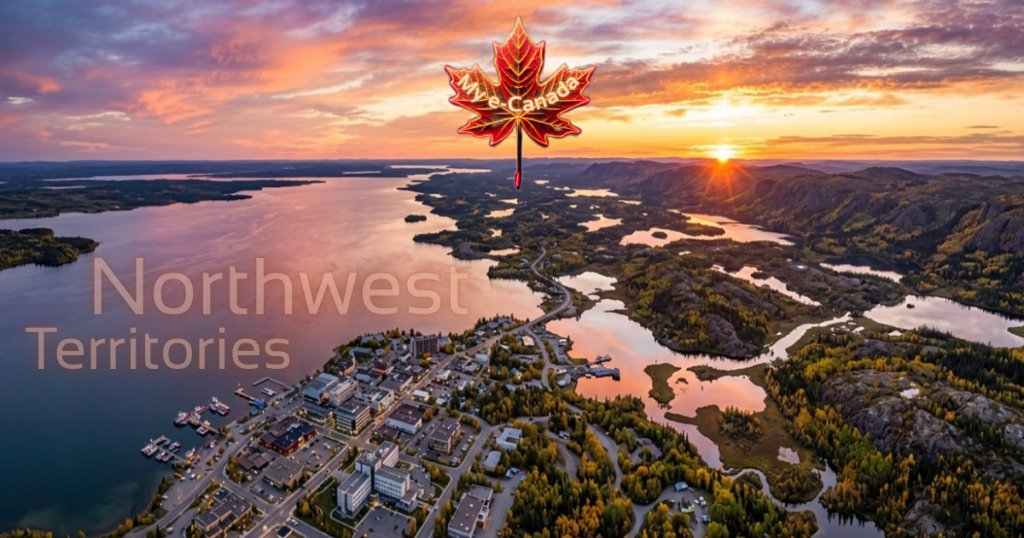
The Northwest Territories, once known as the North-West Territories, emerged as a distinct political entity in 1870 when Rupert’s Land and the North-Western Territory were transferred to the Dominion of Canada. Its name reflects its geographic position and its long history as a northern frontier shaped by the fur trade, exploration, and later resource development. The region’s human story stretches back over 11,000 years, beginning with the ancestors of the Dene, Inuvialuit, and Métis, whose societies were built on nomadic stewardship, democratic governance, and deep spiritual ties to the land. The fur trade transformed the region in the 18th and 19th centuries, while the Numbered Treaties and later federal policies imposed significant cultural disruption. By 2026, Indigenous nations have achieved major self‑government milestones, reaffirming their central role in the territory’s future.
European exploration accelerated in the late 16th century, followed by major expeditions from Hearne and Mackenzie, and later the rise of mining, military infrastructure, and administrative restructuring throughout the 20th century. The territory today is a global leader in sustainable diamond mining and northern conservation.
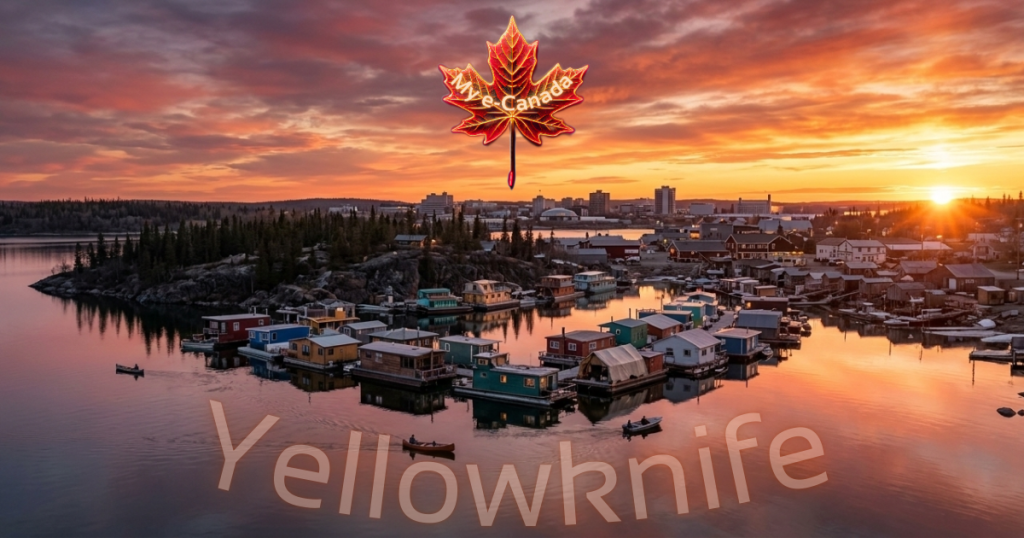
A lesser‑known chapter of the Underground Railroad includes the “Freezing for Freedom” movement, where several hundred enslaved Black fugitives sought sanctuary in the Far North. Guided by Métis traders, missionaries, and Black voyageurs, they reached communities such as Yellowknife, Hay River, and Fort Smith, integrating into northern society and contributing to transportation, mining, and trade.
By 2026, the Northwest Territories’ economy is revitalizing through diamonds, green technology, and Arctic logistics. Wayne A. Cargill Agency supports this growth through advanced award-winning digital branding, advertising, and marketing services across the territory’s diverse communities. All city and provincial assets were developed through the Megavision Productions Advanced Image Cloning process, with brand identity shaped by award-winning Client Scout e-Branding to populate this Advanced Image Cloning Digital Gallery.
Yukon
Advanced Image Cloning Digital Gallery

Yukon, named from the Gwich’in term “Yu‑kun‑ah” meaning “great river,” became a separate territory in 1898 in response to the explosive population growth of the Klondike Gold Rush. Its strategic importance lies in its mineral wealth, Arctic research role, and position as a northern gateway. For over 10,000 years, the region has been home to the ancestors of the Athapaskan and Tlingit nations, including the Gwich’in, Han, Tutchone, Kaska, Tagish, and Upper Tanana peoples, who developed sophisticated stewardship systems rooted in mobility, oral law, and deep spiritual ties to the land. The arrival of fur traders and prospectors in the 19th century brought disease, displacement, and colonial administration, but by 2026, many First Nations have secured self‑governance and play leading roles in mining, tourism, and cultural revitalization.
European exploration expanded through the 18th and 19th centuries, culminating in the 1896 gold discovery that transformed Dawson City into a booming frontier centre and led to the territory’s formal creation. The 20th century brought industrial mining, the construction of the Alaska Highway, and the rise of Whitehorse as the capital. Today, Yukon balances its gold rush legacy with sustainable development and environmental protection.
A remarkable chapter of the Underground Railroad, known as “Freedom Is Gold,” saw Black slave fugitives travel north during the gold rush to seek autonomy in the subarctic. Integrated into mining camps and frontier communities, they staked claims, built businesses, and contributed to the territory’s diverse social fabric.
By 2026, Yukon’s economy thrives on mining, tourism, and technology. Wayne A. Cargill Agency offers extensive award-winning digital branding, advertising, and marketing services across the territory. Megavision Productions Advanced Image Cloning served as the foundational technology for all regional visuals, while Client Scout e-Branding ensured each piece met our award-winning branding criteria for the Advanced Image Cloning Digital Gallery.

Megavision Productions Advanced Image Cloning:
Cloning Moments Where There Are No Retakes
Sea-To-Sea Weather System
Advanced Image Cloning Digital Gallery
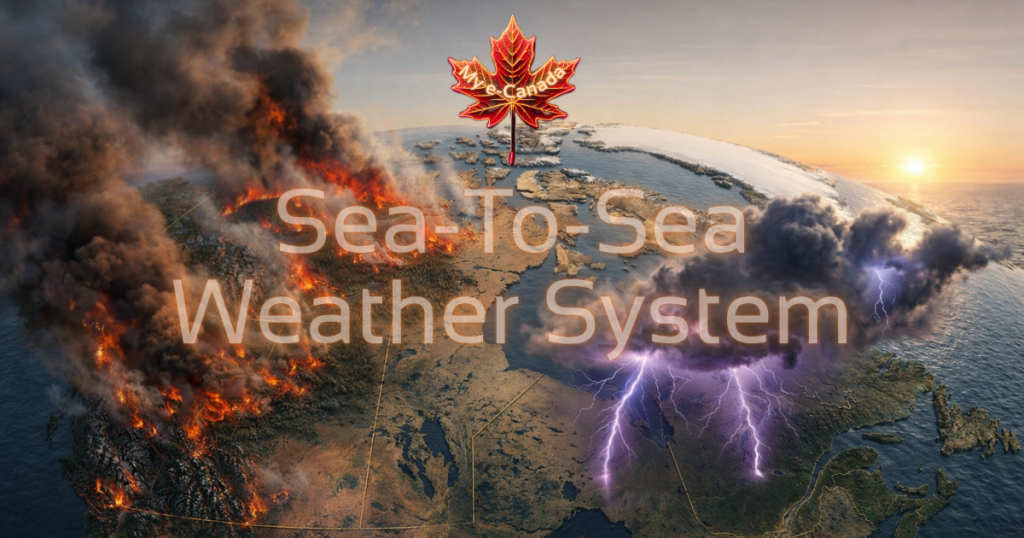
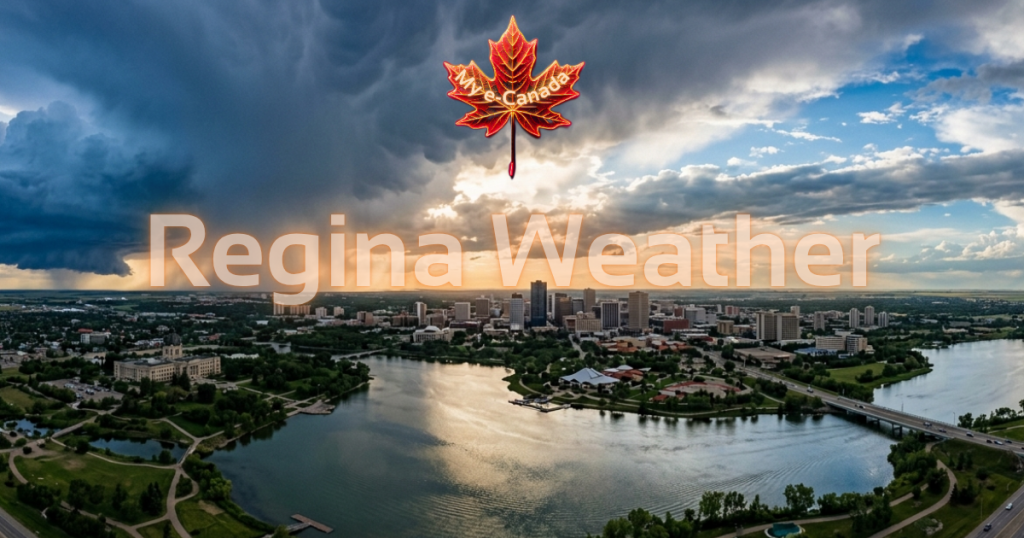
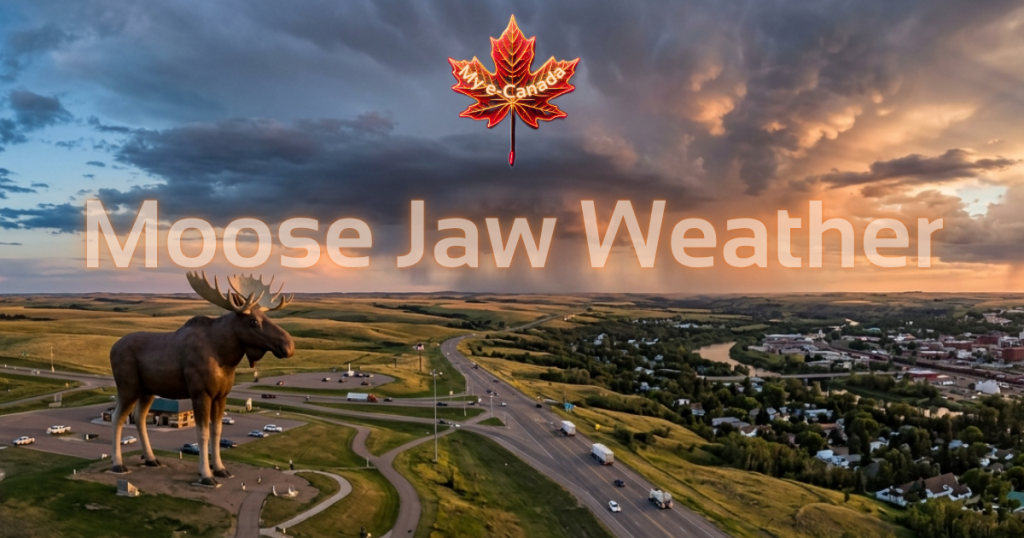
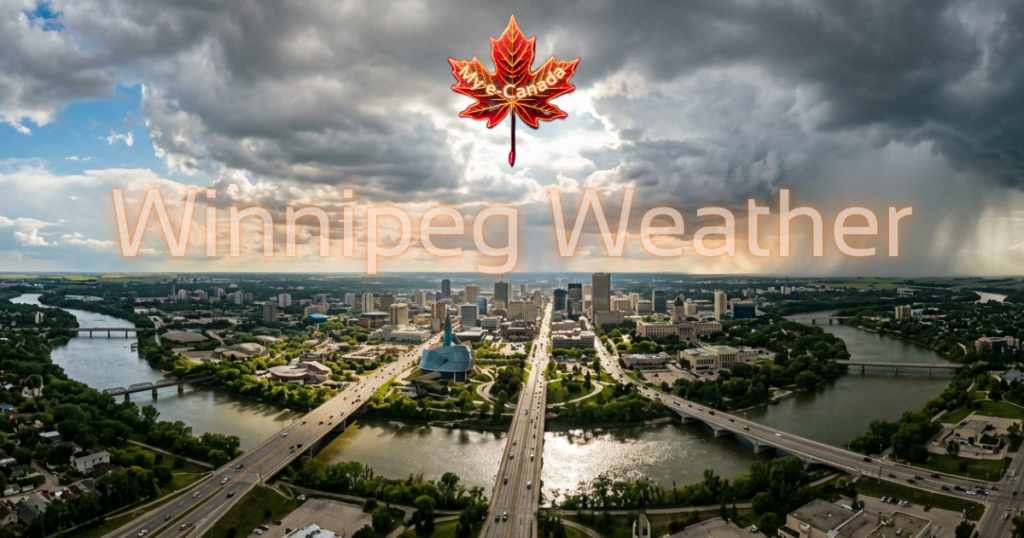
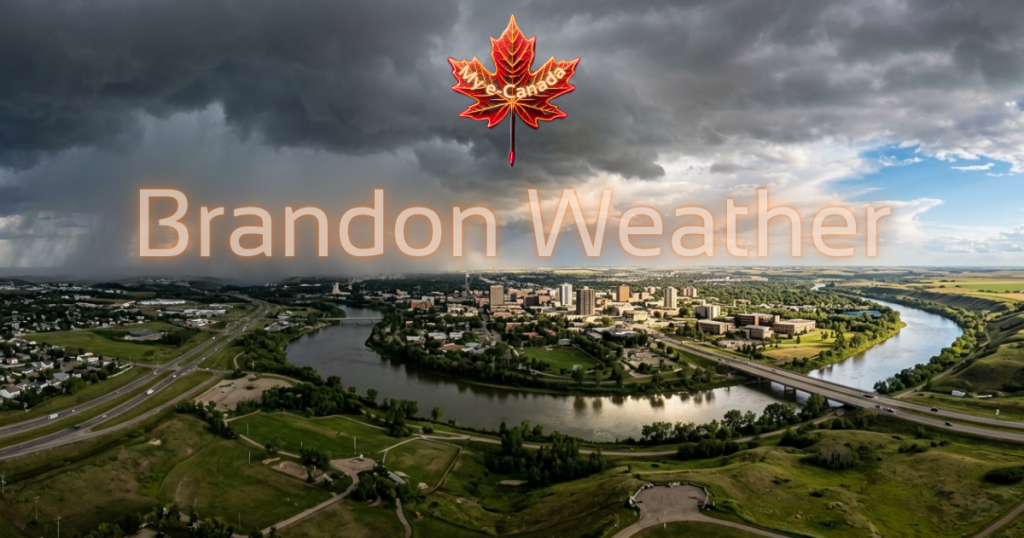
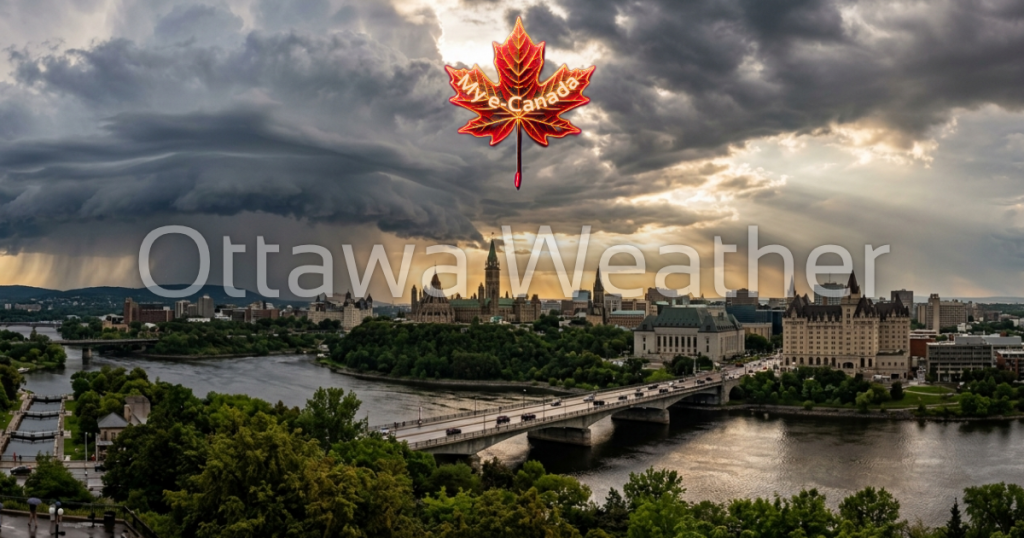
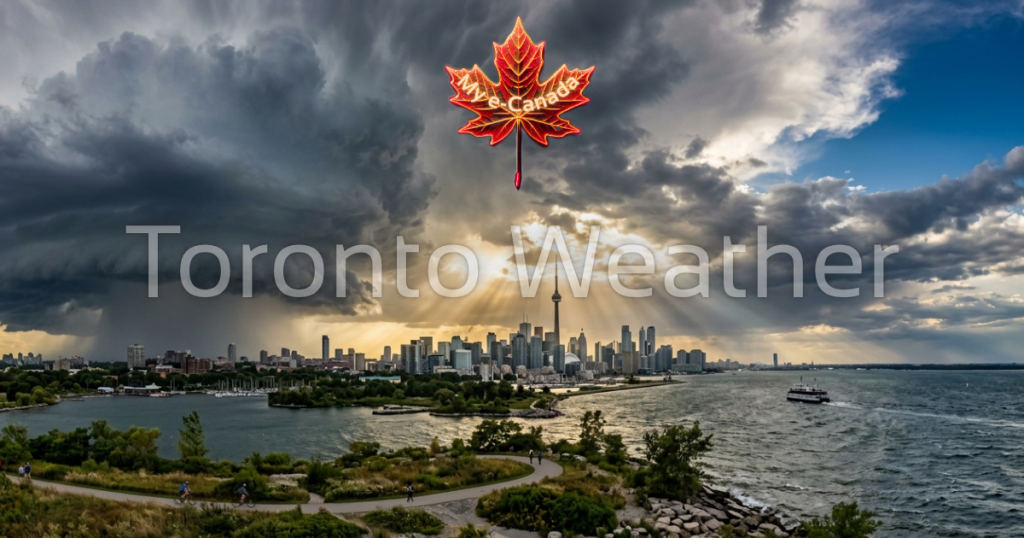
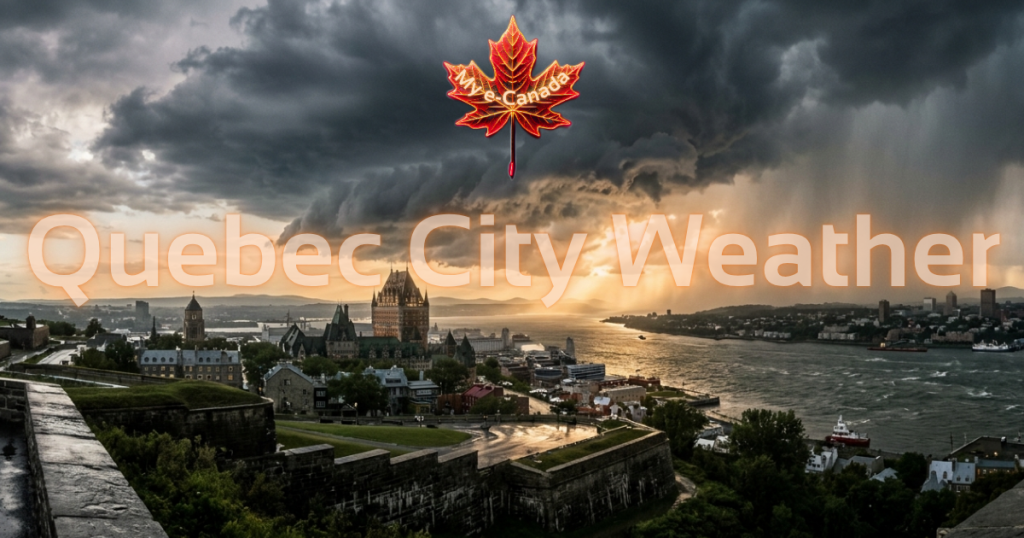
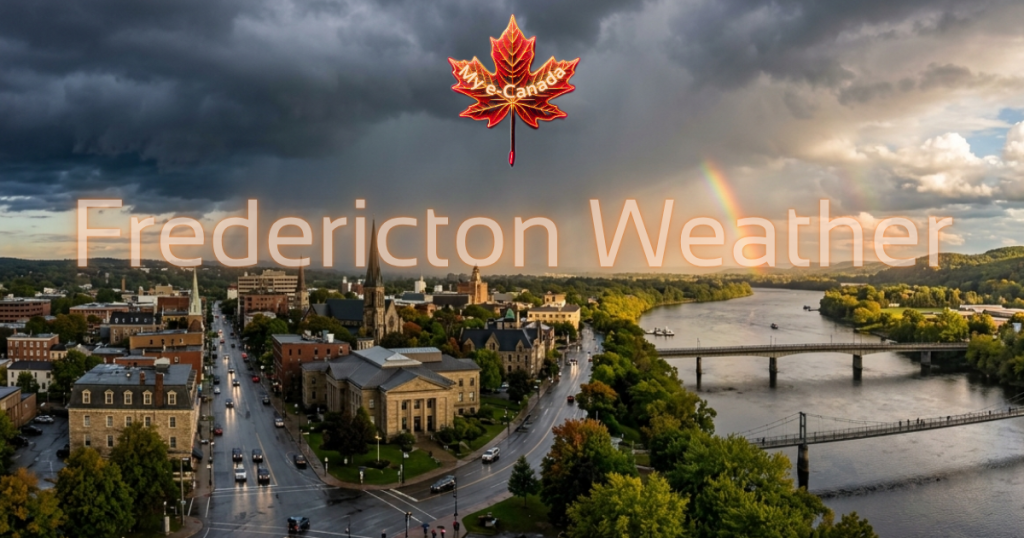
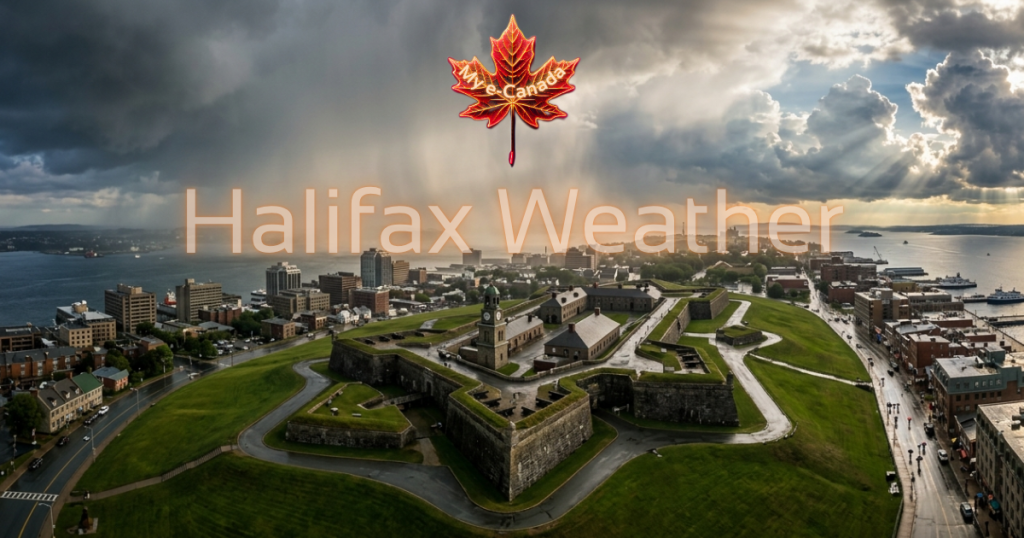
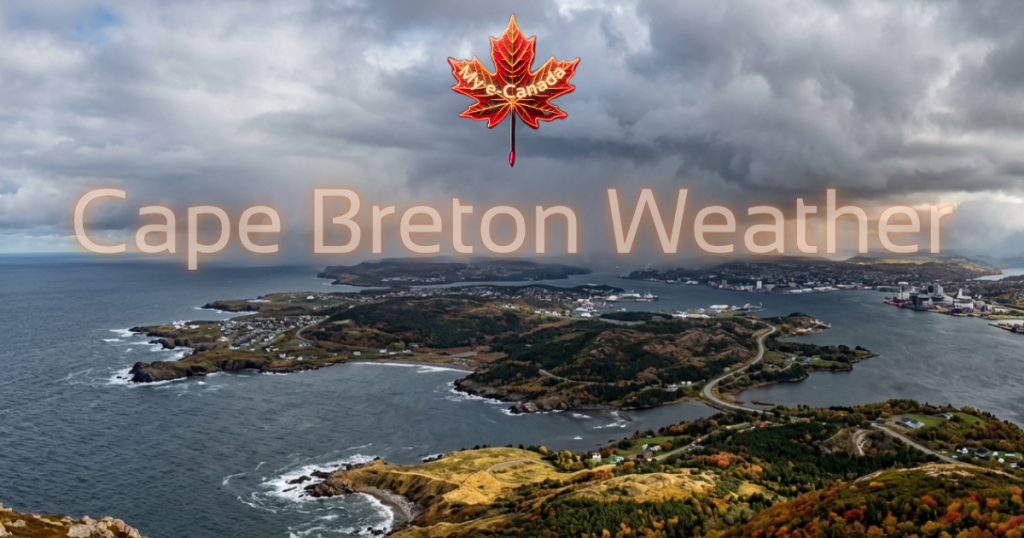
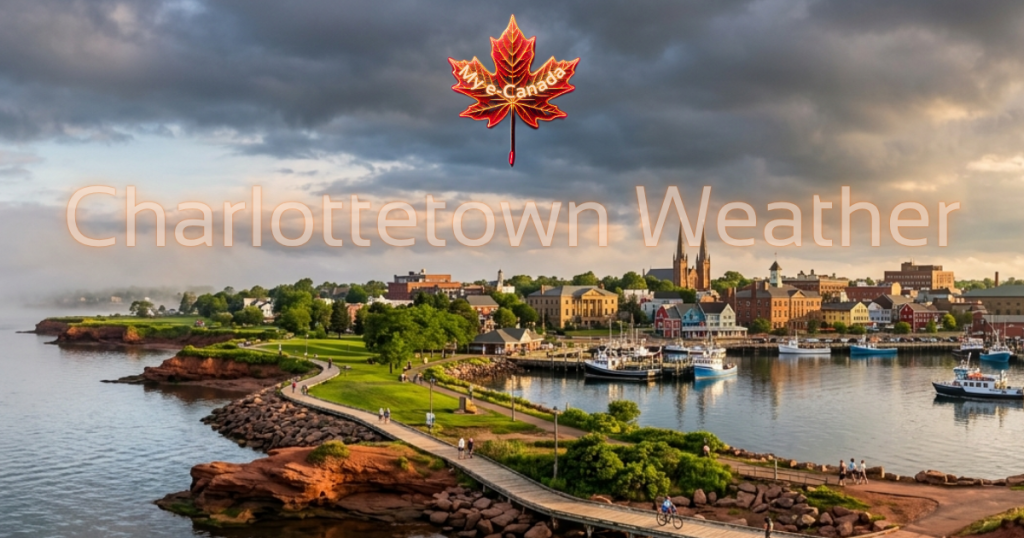
Wayne A. Cargill Agency is currently in the process of crafting a Sea-To-Sea Weather System for My e-Canada that will track over 30 Canadian cities. Each city will provide daily, 72-hour, and 7-day weather forecasts, available in both Celsius and Fahrenheit. We are developing this comprehensive tool to ensure that Canadians have access to precise and reliable atmospheric data for locations across the country. Canadian weather remains famously varied, shaped by the country’s vast geography and its position at the confluence of major environmental systems. Across Canada, patterns often reflect a humid continental climate, characterized by four distinct seasons that bring significant atmospheric shifts throughout the year. Most days begin with clear views of the morning sky, though conditions can transition quickly as pressure systems track along major corridors like the St. Lawrence. These movements are monitored closely to track sky conditions and potential precipitation changes, especially in valley environments where unique local microclimates and fog patterns frequently develop.
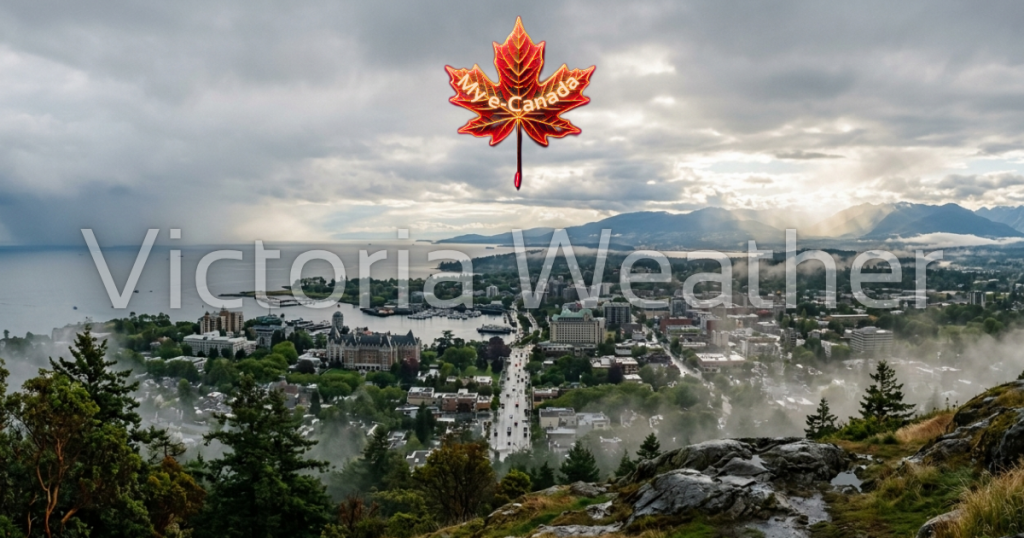
Planning short-term activities requires a reliable look at these trends, as pressure systems moving across the country can alter the landscape in a matter of hours. During the autumn months, the air often feels quite crisp, while the winter season can see long stretches of snowy days. Conversely, summer remains quite humid for many weeks, often followed by extended periods of bright, clear weather brought on by large high-pressure systems. By observing the transition from clear skies to variable cloud periods, residents can better understand the shifting climate cycles. Monitoring these weekly movements and seasonal rhythms provides a consistent roadmap for coordinating outdoor tasks and long-range planning, ensuring everyone is prepared for the diverse weather that defines the Canadian experience from coast to coast. Each municipal graphic was engineered by Megavision Productions Advanced Image Cloning and branded by award-winning Client Scout e-Branding, resulting in the polished presentation found in this Advanced Image Cloning Digital Gallery.





Word On The Street
Digitally Yours To Explore

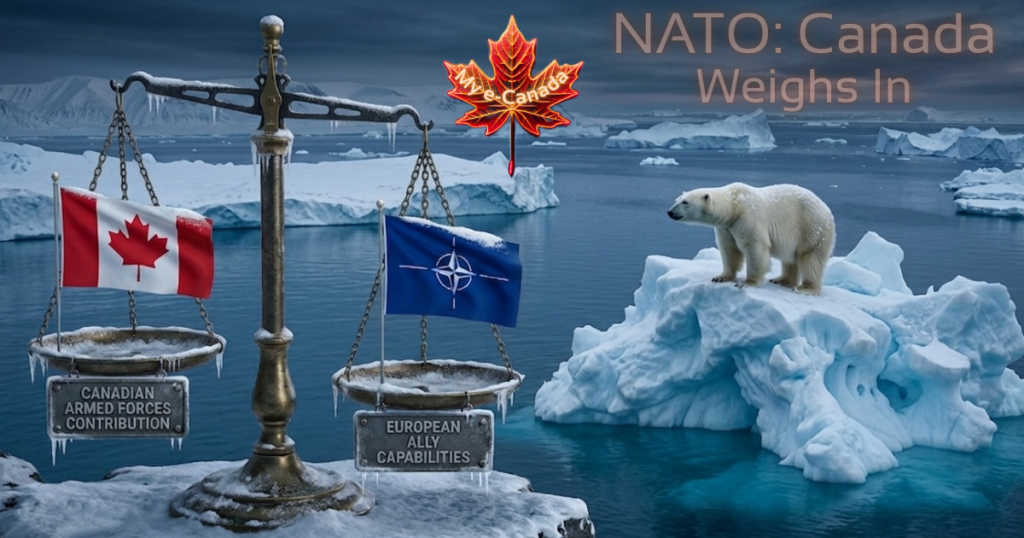
“Word On The Street: Digitally Yours To Explore” is a premier digital hub that launched on April 1, 2026, crafted specifically for Canadians to provide a focused and high-impact perspective on national and international events. By moving away from the overwhelming noise of the global 24-hour news cycle, the platform curates investigative exposés and news stories that align with domestic interests and values. It serves as a streamlined alternative to traditional media, filtering vast amounts of global data into essential pillars that directly affect the community, economy, and culture. This commitment ensures that the Canadian perspective remains the primary focus, empowering citizens from Vancouver Island to Newfoundland to stay informed without the typical fatigue associated with modern information consumption.
The initiative places a high value on authenticity and community engagement, inviting readers to become active participants in the storytelling process. Through dedicated channels, the platform fosters a two-way dialogue between the curators and the audience. If you have a lead on a story, you can send news tips to NewsTips@My-e-Canada.ca. For those looking to partner with a platform that speaks directly to the heart of the country, advertising inquiries can be directed to e-Advertising@My-e-Canada.ca. Furthermore, creative input on future topics is welcomed at Info@My-e-Canada.ca; these ideas help shape the very foundation of the service.
Ultimately, “Word On The Street” functions as a digital campfire where resilience and unity are celebrated across the vast landscape of the country. Whether covering stories from the rugged shores of Cape Breton or the peaks of Whistler, the platform is dedicated to navigating future challenges as one indivisible nation. It stands as a testament to the shared purpose of all citizens, providing a modern space to celebrate triumphs and stay connected under a single flag, ensuring that every Canadian has a seat at the campfire. The presence of all My e-Canada Word On The Street investigative exposés visuals in this Advanced Image Cloning Digital Gallery is a testament to the synergy between Megavision Productions Advanced Image Cloning and the award-winning branding excellence of Client Scout e-Branding.



















Discover The History and Things To Do for 37 Canadian Destinations
Get a snapshot of our standout features below.
City Insights
Unveil the hidden gems and local favorites of each city.
Weather Updates
Stay informed with up-to-date forecasts wherever you go.
News & Events
Keep up with Canadian national and international Investigative Exposés.
Discover the Latest in Canadian Cities
Subscribe now to get insider tips, national news investigative exposés, and updates that make discovering Canada effortless. Start your journey today!